PERTURBANTI
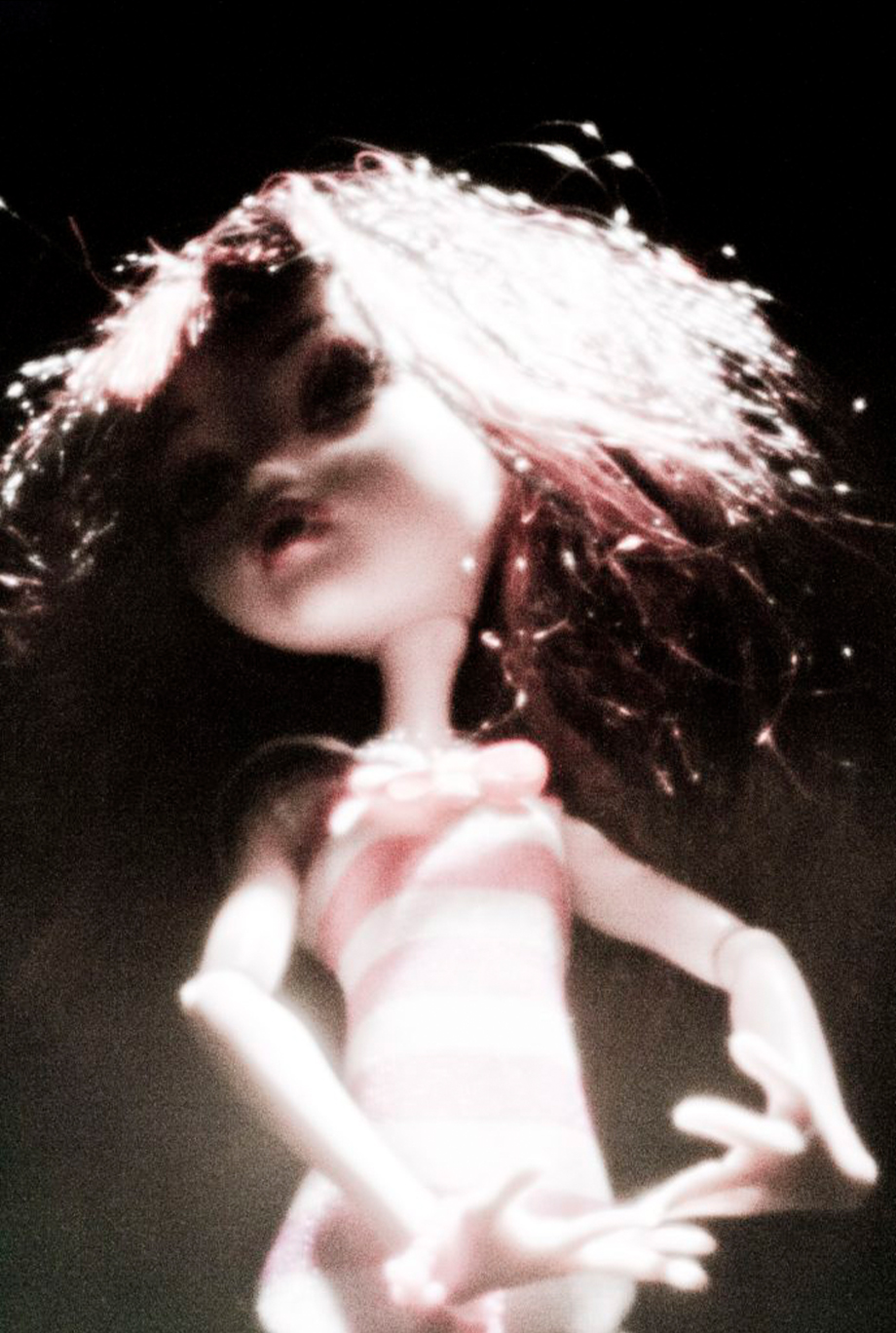
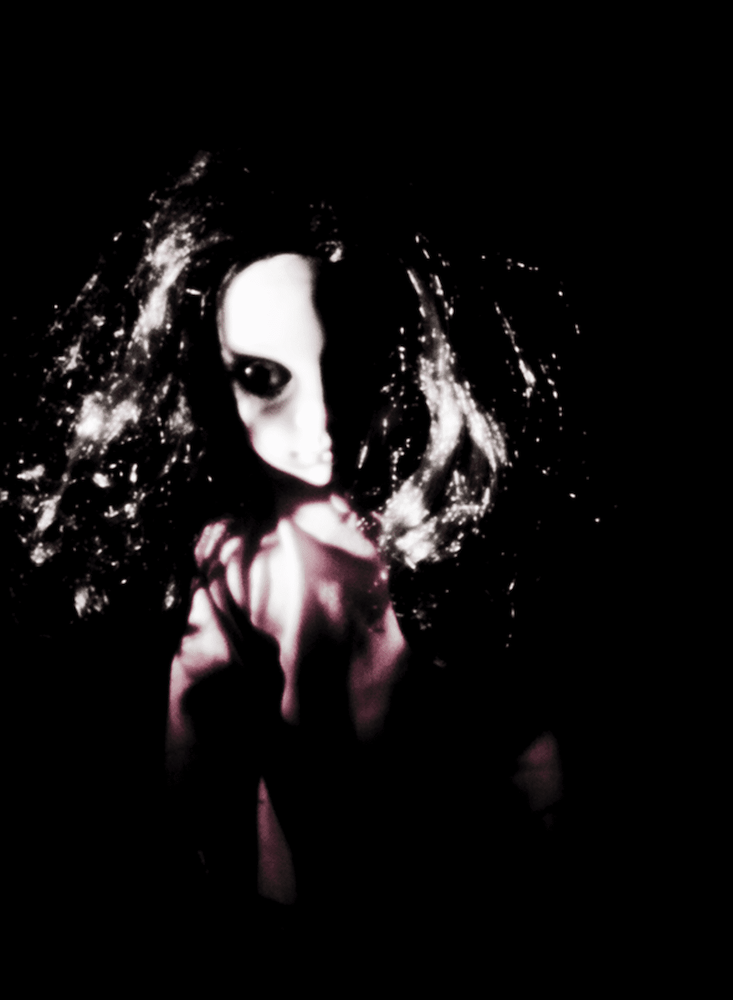
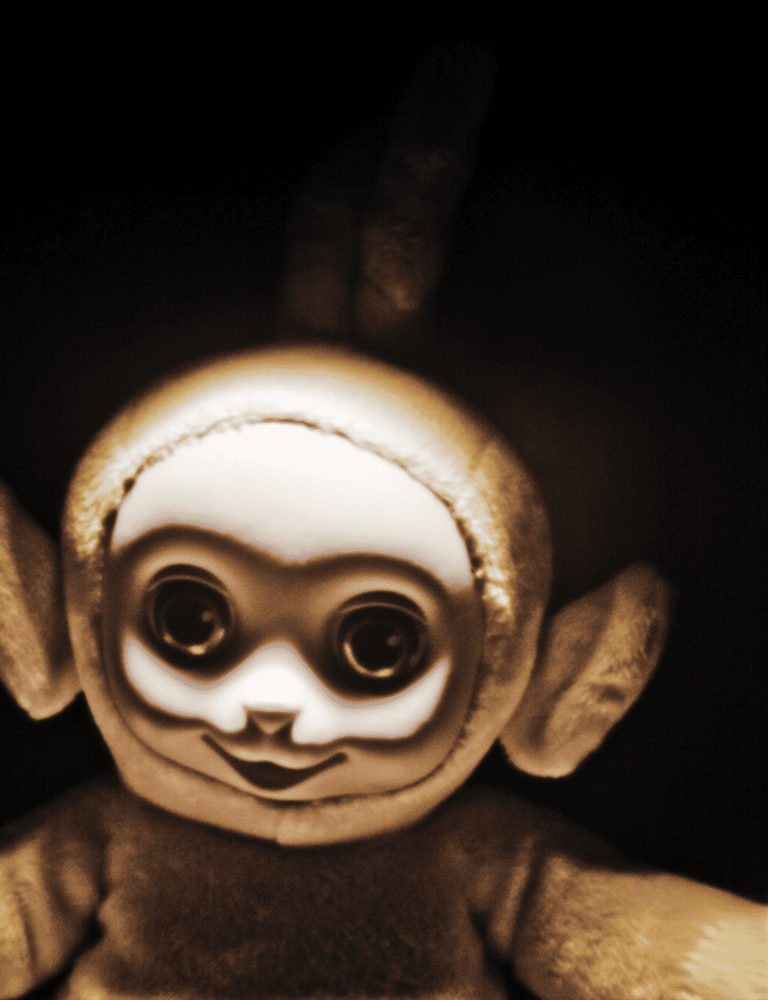
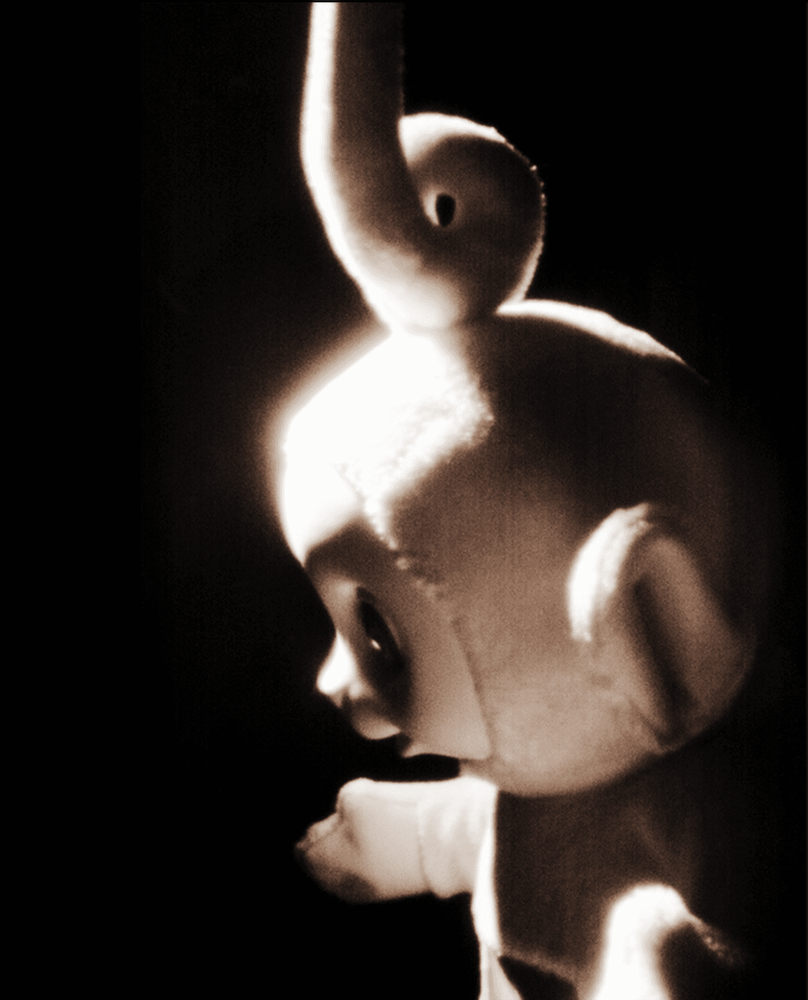
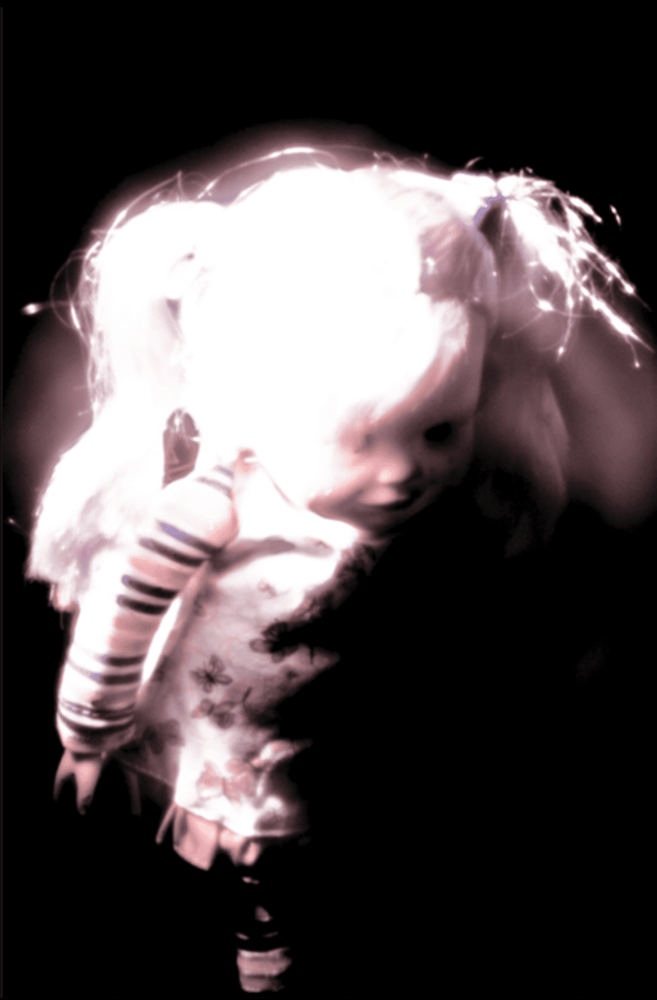
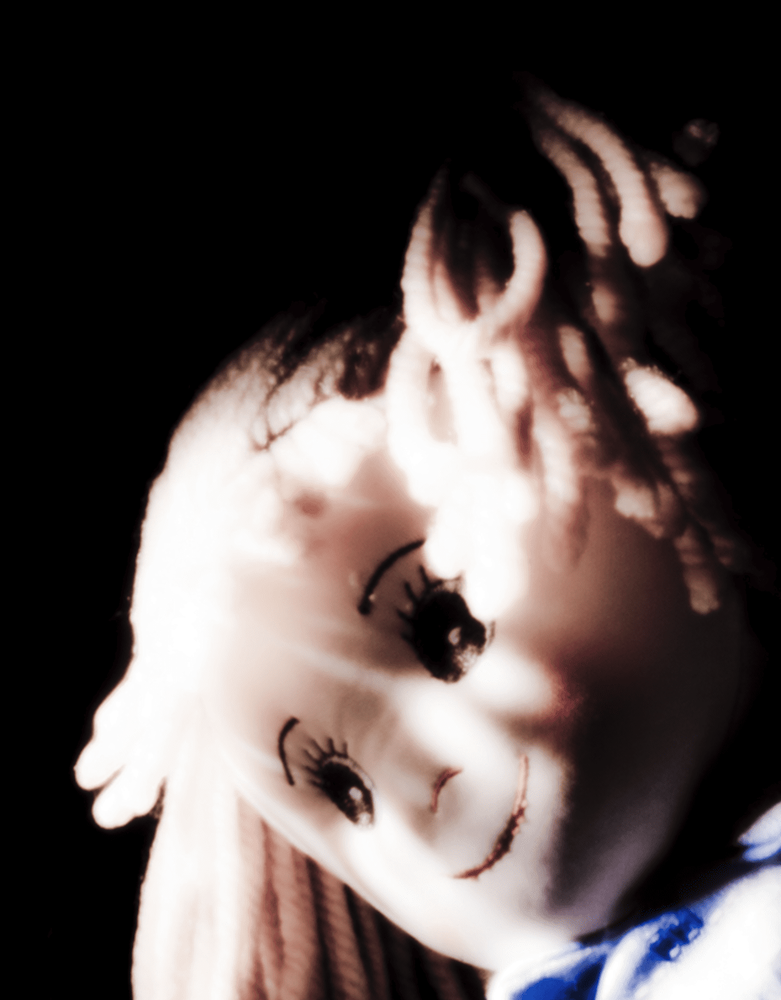
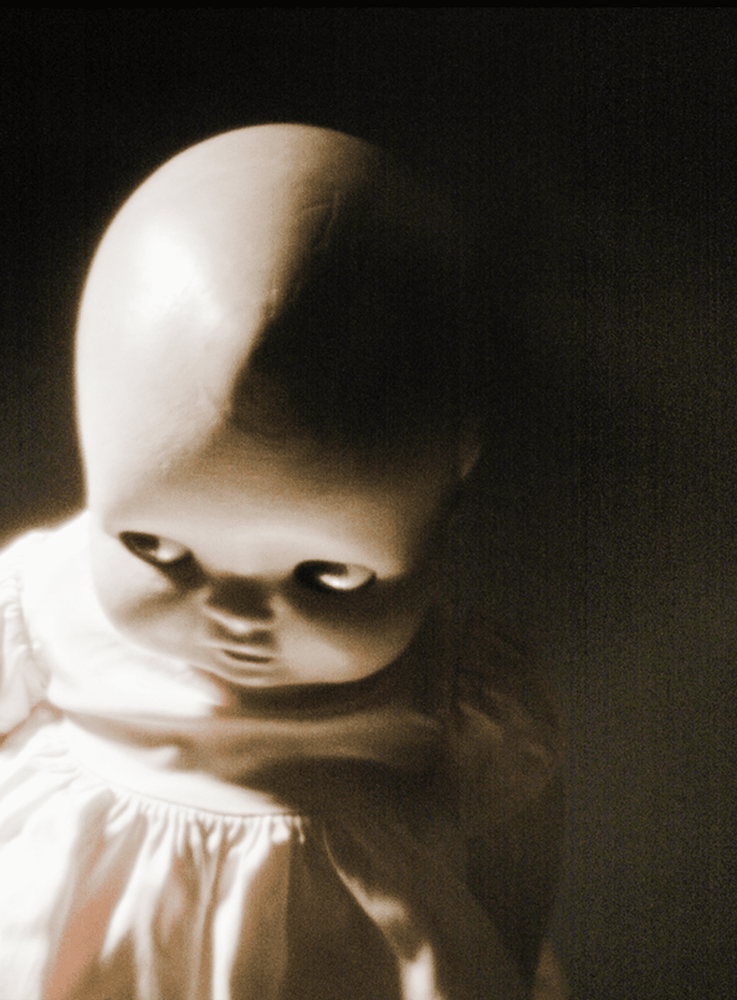
PERTURBANTI presents a new gallery of portraits, to which Dolls and Flowers are added. The new works illustrate a journey of interweaving between the animate and the inanimate. Contemporary imagination, attentive observation, and narration of the everyday, achieved with the simplicity of an art that already has something of the ancient about it — these are the ingredients that truly give us an unusual gaze. Profound is the creative vision behind the shots — a Renaissance impact. As is the light that pervades every work, accompanying us into a dimension where darkness is illuminated. PERTURBANTI is a unique exhibition, because it brings to light the disquietudes that dwell within each of us. That doubt, as Freud explained, “that an apparently animate being is truly alive and, conversely, the doubt that a lifeless object might not, by chance, be animate.” It is no coincidence, then, the choice of the Dolls as subject, which here we see explored and interpreted in all its unsettling ambiguity. Playful objects or a mirror of our demons? Bergamo’s Dolls look at us and at themselves with a gaze turned toward the abyss we carry within. And they inscribe themselves in an artistic tradition that stretches back far and that numbers, among the artists who favored the subject, names such as Hans Bellmer, Oskar Kokoschka, Man Ray, Paula Rego, Patrick Old — all the way to the visions of Tim Burton. And then there are the Flowers. Still life, in the original sense of the term. Still alive or nearly dead? The power of the residual vital breath that nature bestows upon all its beings is captured by Bergamo with the proven technique of a photographer who has spent years working with objects, but with the felicitous intuition of an artist of light, in the Caravaggesque tradition. Alongside the new works, the exhibition also reprises the Portraits, in a physical and emotional combination that, thanks also to the original process of creation and transformation of the photographs, bestows upon them a true uniqueness. In these works too, the original process adopted by the artist is reprised — one that, starting from pinhole digital art, expands its potential to its outermost limits. The work comes to life through a slow process of birth, an almost alchemical progression, which begins with capturing the subject using the pinhole technique and continues with digigraphie printing, all the way to the exclusive treatment — through the use of unique materials — that constitutes the final part of the creation. And there it is: the photograph transformed into a painting, bestowed with depth and texture.